
Know Your Weingarten Rights
Last updated: January 2026
What’s New (Updated for 2026)
This article has been refreshed to provide clearer explanations of what Weingarten rights are, when they apply, and how to assert them confidently. We’ve updated examples of investigatory meetings, clarified what stewards can do in a meeting, and added links to related union resources so you have tools you can use right away.
Union members have a powerful right that non-union workers do not: the right to union representation during certain meetings with management. This protection — known as Weingarten rights — comes from decades of labor law and is designed to make sure you’re not alone if a conversation with your boss could lead to discipline or changes in your job conditions.
What Are Weingarten Rights?
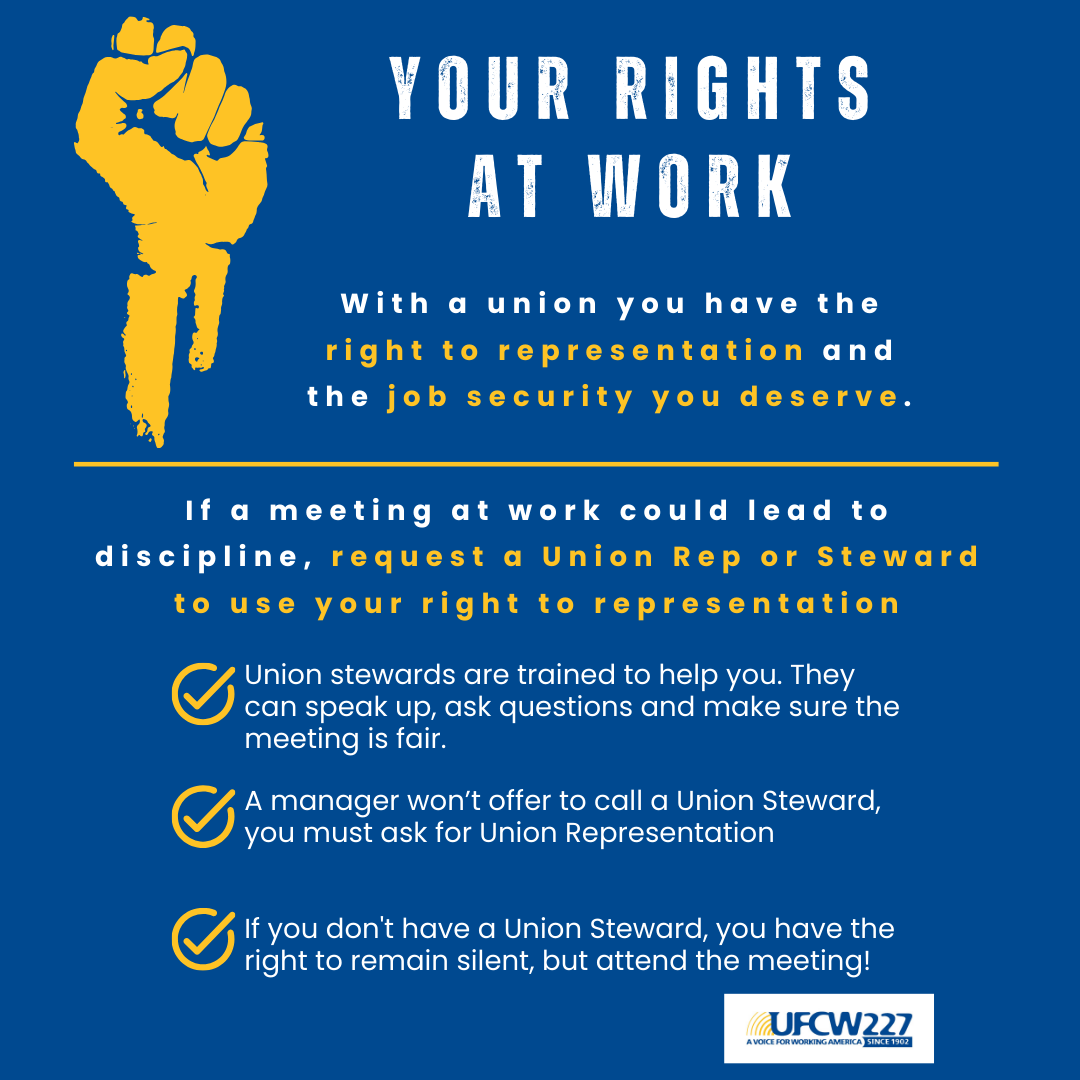
Weingarten rights give you the ability to request a union steward or representative when you’re called into a meeting that you reasonably believe might lead to discipline, suspension, demotion, or termination. The right was first affirmed by the U.S. Supreme Court and continues to be a core protection for union-represented employees.
A Weingarten rights meeting isn’t just formal office interviews — it can happen on the work floor, in offices, or anywhere a supervisor or manager asks questions you think could lead to discipline.
When Do Your Weingarten Rights Apply?
Your Weingarten rights apply only when all of these are true:
A manager or supervisor is asking you questions, and
The questioning is part of an investigation into your performance or conduct, and
You reasonably believe the answers could lead to discipline or other adverse consequences.
Examples of this might include:
A meeting to investigate a workplace accident
A discussion about alleged rule violations
One-on-one questioning about conduct that could lead to discipline
Not all meetings with management trigger these rights. Routine check-ins, trainings, or conversations about schedule preferences typically do not qualify unless they turn into an investigatory interview under the test above.
How to Assert Your Weingarten Rights
You must ask clearly for representation — your employer isn’t required to tell you about this right. A helpful statement could be:

After you request representation, the employer has three choices:
Delay the meeting until a union representative arrives,
End the meeting, or
Offer you the choice to continue without representation or end the meeting.
If the meeting continues without your representative after you’ve asked for one, that could be an unfair labor practice. If that happens, you can refuse to answer questions and contact your union for support.
What a Steward or Union Representative Can Do
A union steward or representative can play an important role in your meeting. They may:
Meet privately with you before the questioning begins or at any time during the meeting
Ensure the supervisor explains the purpose of the interview
Ask the employer to clarify confusing questions
Advise you as the interview proceeds
Help you make sure your side of the story is heard
If You’re Unsure Whether It Applies
If you’re asked to attend a meeting and can’t tell whether it might lead to discipline, it’s completely reasonable to ask your supervisor what the meeting is about and to request a steward before answering questions. Your union office or a steward can help you decide how to proceed.
Understanding and asserting your Weingarten rights can protect your job and ensure fairness during difficult conversations at work. You have the right to representation — don’t be afraid to use it when you need it.
Related Resources


