Union Vs. Right to Work
Updated 8/3/26
What’s new? Statistics have been updated and content has been revised.
THE UNION DIFFERENCE
Union members earn better wages and benefits than workers who aren’t union members. On average, union workers’ wages are 28 percent higher than their nonunion counterparts.
While only 19 percent of nonunion workers have guaranteed pensions, fully 78 percent of union workers do.
More than 84 percent of union workers have jobs that provide health insurance benefits, but only 64 percent of nonunion workers do. Unions help employers create a more stable, productive workforce—where workers have a say in improving their jobs.
HIGHER WAGES
One of the top benefits of being a union worker is that you enjoy a better wage as compared to your non-union counterparts. Union workers get about 20 percent more in terms of wages (not including benefits) compared to others in similar jobs that aren’t supported by a union. Union workers are also more likely to enjoy consistent pay raises on a regular basis. This is due to collective bargaining between union members and the employer that results in an agreement setting out clear terms regarding pay and wages. With a non-union job, the employer can set the wage without any formal bargaining process or input from the employee.
BETTER BENEFITS
On average, union workers are more likely to enjoy better benefits compared to non-union employees. That includes health, retirement accounts, and paid sick leave. According to the U.S. Department of Labor, 77 percent of union workers get pensions (guaranteed continued payments) after they retire from the job, compared to only 20 percent of non-union workers. Again, union representatives work out these details as a part of the collective bargaining agreement with the employer.
SAFETY
Union facilities are safer than non-union facilities. Anti-labor folks can talk all they like about OSHA (Occupational Health and Safety Administration) being the "great equalizer," but it's not true. Even before it was ravaged by eight years of Bush administration neglect, OSHA was remote, understaffed and over-extended. A union contract gives employees the immediate right to address an unsafe condition. There's no comparison. Union facilities are far safer.
YOU ARE REPRESENTED
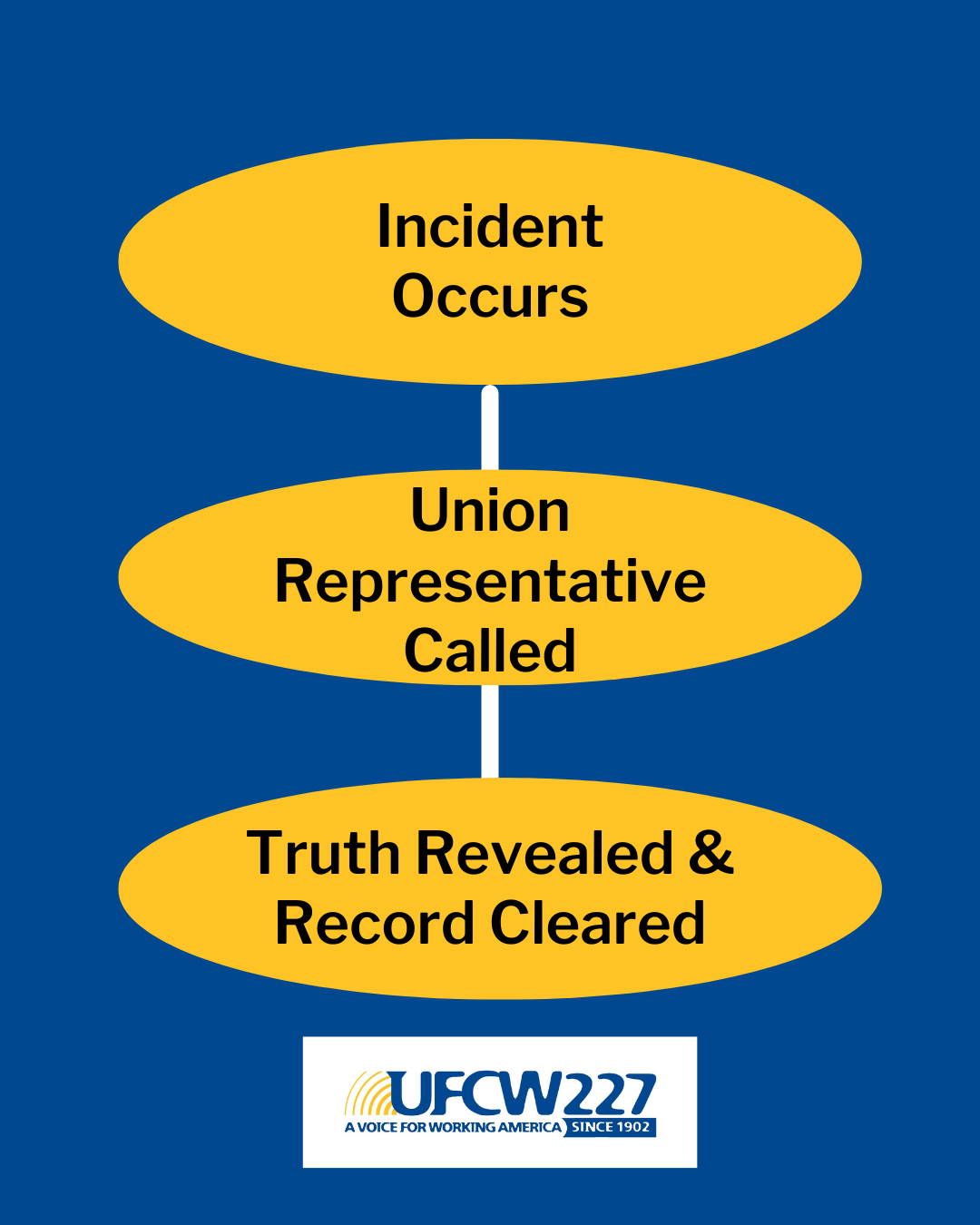
Another important benefit of union membership is representation when workplace issues arise. If a union employee has a dispute or concern with the employer, a union representative can advocate on the employee's behalf throughout the process.
In contrast, non-union employees typically rely on the company's human resources department for assistance. While HR can help address workplace concerns, it is part of the organization and represents the employer's interests. Facing a meeting with a supervisor and an HR representative may leave some employees feeling at a disadvantage. A union representative can attend meetings with the employer, provide guidance, help protect the employee's rights, and work toward a fair resolution.
SECURITY
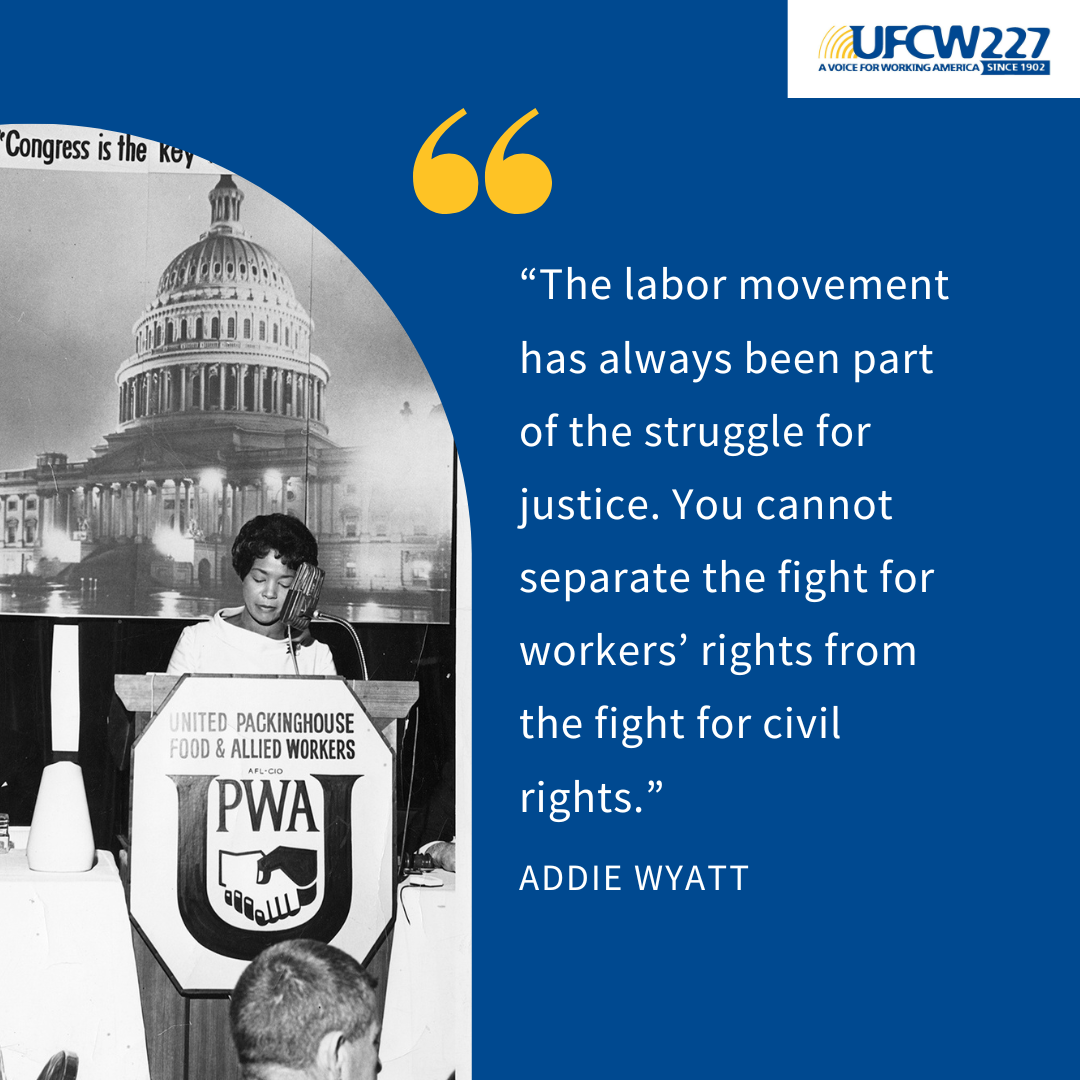
Bosses can't just walk up and fire you because they want to give your job to their wife's nephew. Nor can they lay you off out of sequence, demote you arbitrarily, or prevent you, without sufficient cause, from promoting to the next higher job. African Americans and women didn't get their shot at big-time manufacturing jobs until labor unions gave it to them, a fact that doesn't receive enough recognition.
UNIONS AND THE FUTURE
Union members care deeply about the future. They want to live in safe, healthy, and thriving communities, and they hope to leave a strong and prosperous nation for future generations. Their unions support these goals by advocating for the common good. Unions have long promoted good government, quality public education, the protection of individual rights, and the expansion of equal opportunities for all Americans.
If you hold a job, or are about to leave school for work, these are all things for you to think about, too.